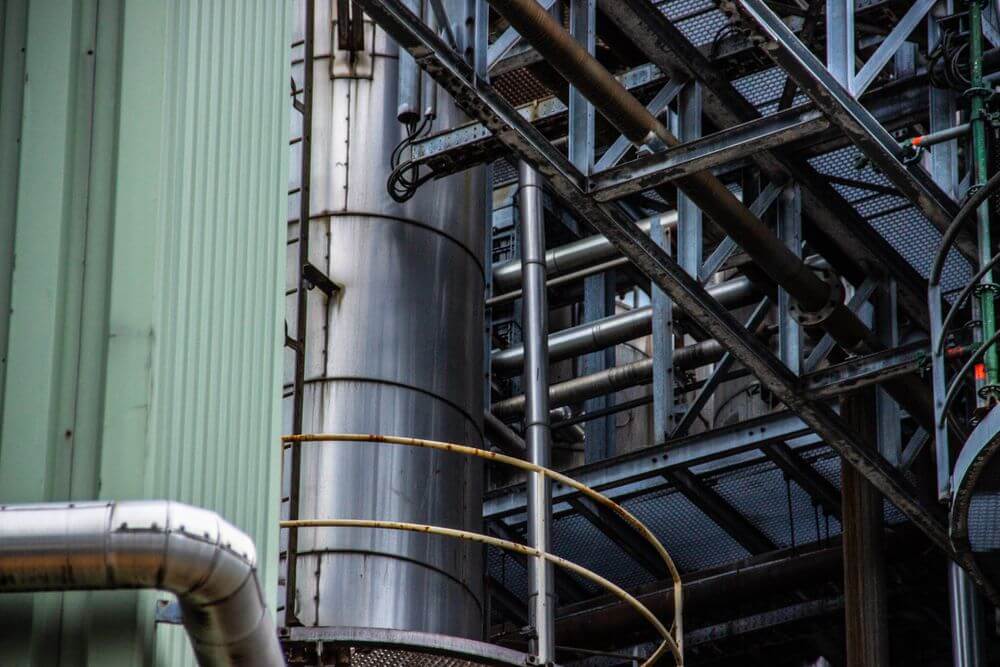

I believe that in the intricate realm of industrial operations, uninterrupted functionality is not merely a goal – it is the foundation of success. Imagine a large-scale manufacturing plant or a critical distribution center. This is a complex ecosystem where every piece of machinery, every system, and every process must perform flawlessly.
When even a minor component fails, the ripple effect can lead to significant downtime, safety hazards, and substantial financial losses. This is precisely where industrial and facility maintenance transforms from a routine task into a strategic cornerstone.
It is far more than simply fixing what breaks. It is a proactive, sophisticated discipline aimed at optimizing asset performance, extending equipment lifespan, and ensuring a safe, efficient operational environment. For instance, selecting the correct materials, such as Huron industrial high-temp anti-seize, can be crucial in preventing equipment failure under harsh conditions.
In this extensive guide, I will delve into the multifaceted world of industrial and facility maintenance. I will explore its unique characteristics, differentiate it from general building upkeep, and unpack the various maintenance strategies that drive operational excellence. My aim is to provide a comprehensive understanding that empowers industrial leaders to achieve peak operational efficiency and long-term asset value.
At first glance, the term “maintenance” might seem straightforward, conjuring images of repairs and upkeep. However, in the industrial sector, this concept is far more nuanced and demanding than general building maintenance. Industrial and facility maintenance encompasses the comprehensive management, repair, and upkeep of a facility and its physical assets to ensure continuous, effective, and safe operations. This includes everything from the structural integrity of the building to the intricate workings of heavy machinery, specialized production lines, and complex utility systems.
The stakes are considerably higher in industrial settings. A malfunctioning HVAC system in an office might cause discomfort, but in a pharmaceutical plant or a data center, it could lead to product spoilage, data loss, or even catastrophic failure. This is why industrial maintenance often requires specialized expertise, advanced tools, and a proactive approach that goes far beyond routine fixes. The goal is not just to repair, but to optimize, predict, and prevent. This holistic approach is often managed by dedicated teams or specialized providers, such as those offering comprehensive AEGIS industrial maintenance solutions, ensuring that every aspect of an industrial environment functions seamlessly.
The 11 Core Competencies of Modern Facility Managers
Effective industrial facility maintenance is often spearheaded by highly skilled facility managers, whose roles are defined by a broad set of competencies. The International Facility Management Association (IFMA) identifies 11 core competencies that highlight the strategic importance of this role:
- Operations and Maintenance: Overseeing the day-to-day upkeep, repairs, and operational efficiency of all facility systems.
- Occupancy and Human Factors: Managing space, workplace planning, and ensuring a safe, healthy, and productive environment for occupants.
- Sustainability: Implementing practices that minimize environmental impact, conserve resources, and promote energy efficiency.
- Facility Information and Technology Management: Utilizing technology like CMMS, IIoT, and data analytics for informed decision-making.
- Risk Management: Identifying and mitigating potential risks to the facility, its assets, and its occupants, including safety and security.
- Communication: Effectively conveying information to stakeholders, teams, and vendors.
- Performance and Quality: Establishing metrics, monitoring performance, and driving continuous improvement.
- Leadership and Strategy: Developing long-term plans, leading teams, and aligning facility goals with organizational objectives.
- Real Estate: Managing property acquisition, disposition, and portfolio optimization.
- Project Management: Overseeing facility-related projects from conception to completion.
- Finance and Business: Managing budgets, forecasting costs, and demonstrating the financial value of facility management.
These competencies underscore that industrial facility management is a strategic discipline, integrating technical knowledge with business acumen to support an organization’s overarching goals.
Core Strategies in Industrial and Facility Maintenance
To effectively manage the complexities of industrial facilities, a variety of maintenance strategies are employed, often in combination. The choice of strategy depends on asset criticality, cost implications, and desired outcomes regarding uptime, equipment life, and operational costs. These strategies are crucial for reducing downtime, extending asset lifespan, and optimizing resource allocation.
Implementing Time-Based Preventive Maintenance
Preventive maintenance (PM) is a foundational strategy designed to prevent equipment failures before they occur. It involves performing scheduled inspections, routine servicing, and minor repairs at predetermined intervals, regardless of whether a fault is evident. These intervals are typically based on manufacturer specifications, operating hours, or calendar dates.
For example, regular oil changes, filter replacements, calibration of instruments, and lubrication of moving parts fall under PM. This proactive approach helps to maintain equipment in optimal working condition, reduce the likelihood of unexpected breakdowns, and extend the lifespan of assets. While it requires planned downtime, PM is generally less disruptive and costly than emergency repairs. The effectiveness of PM relies on meticulous scheduling and adherence to established procedures, ensuring that critical components are addressed before they become problematic.
Leveraging Predictive and Condition-Based Maintenance
Predictive maintenance (PdM) and condition-based maintenance (CBM) represent a more advanced, data-driven approach. Instead of adhering to fixed schedules, maintenance is performed only when specific indicators suggest a potential failure. This is achieved through continuous monitoring of equipment condition using various technologies:
- Smart Sensors: These devices collect real-time data on parameters like temperature, pressure, vibration, and current draw.
- Vibration Monitoring: Detects imbalances, misalignments, and bearing wear in rotating machinery.
- Thermography: Uses infrared cameras to identify abnormal heat patterns, indicating electrical faults or mechanical friction.
- Ultrasound: Detects air leaks, electrical arcing, and early-stage bearing wear.
Applying Reliability-Centered Maintenance (RCM) to Critical Assets
Reliability-Centered Maintenance (RCM) is a sophisticated, systematic approach that prioritizes maintenance activities based on the functional importance of assets and the consequences of their failure. RCM focuses on preserving system functions rather than just individual components. It involves a detailed analysis to:
- Identify the functions of each asset.
- Determine potential functional failures.
- Analyze the causes of these failures.
- Evaluate the consequences of each failure (safety, operational, economic).
- Select the most appropriate maintenance task to prevent or mitigate the failure.
Conclusion
I believe that industrial and facility maintenance is far more than a necessary chore; it is a strategic imperative for any organization striving for operational excellence in today’s complex industrial landscape. From differentiating it from general building upkeep to deploying sophisticated predictive analytics and navigating stringent regulatory environments, the field demands a multifaceted approach.
The shift from reactive repairs to a proactive culture of maintenance, underpinned by advanced technologies like IIoT and CMMS, is not just about fixing what breaks. It’s about preventing failures, extending the life of critical assets, ensuring safety, and ultimately driving significant cost savings and efficiency gains. By embracing strategies such as preventive, predictive, and reliability-centered maintenance, industrial leaders can transform their operations, minimize downtime, and secure a competitive edge.