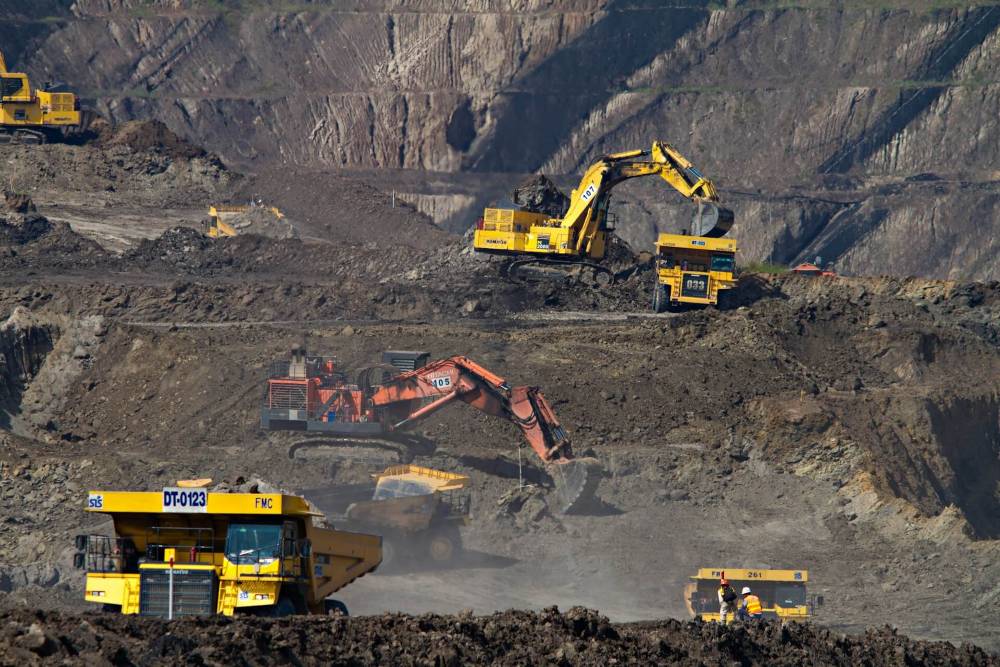

Mining is a key player in modern industry, providing the minerals and resources behind so many aspects of daily life. Whether it’s the metals in our smartphones or the fuel that keeps the lights on, we rely heavily on what mining brings to the table. As the industry continues to evolve, discussions such as the debate between opencut and underground mining highlight the complex considerations faced when determining the best extraction methods.
Engineers play a crucial part in taking these processes forward. They’re constantly finding smarter, safer ways to get minerals out of the ground, using the latest technologies to keep people and the environment safe. Improved engineering methods also mean mining becomes more efficient, using less energy and money while getting better results. This combination is important for keeping mining sustainable, so we have the resources we need well into the future.
The Role of Engineering in Ensuring Mining Safety
Engineering is central to building and keeping safety practices strong across mines. Safety systems are carefully planned to protect workers and cut down the risks that come with mining. Engineers create clear, detailed safety rules and weave them into every part of a mine’s design and day-to-day running, helping stop dangers before they become real threats.
On top of setting out these rules, engineers also bring in advanced monitoring tools that keep a close watch on the mine’s working conditions. These are the front line for spotting trouble early, like identifying weak structures or environmental dangers, so problems can be sorted out quickly. This steady watch keeps accidents at bay and keeps both people and equipment safer for longer.
There’s clear evidence that this approach works. Changing how mines are set up and managed has made crews safer and slashed production downtime by over a third in some cases, while also making operations run more smoothly. It’s proof that good engineering isn’t just ticking safety boxes—it makes a real difference to how mines work, every single day.
Engineers also keep mining projects in step with strict safety laws. By working through tricky regulations and making sure safety measures meet all the rules, they help provide a safe work site. Using technology like AI and automation is now a key part of the job too, as these advances can spot equipment faults and warn of risks in real time, making it even harder for accidents to slip through the net.
Enhancing Efficiency through Engineering
Mining engineering helps mines run smoother by giving structure to planning and production schedules. Engineers craft clear operational plans, making sure resources are used wisely and nothing goes to waste. Careful day-by-day scheduling keeps workflow moving, cuts out unnecessary stoppages, and lifts productivity across the board.
Good engineering also puts a spotlight on resource management and making production as efficient as possible. Engineers use the latest tech and smart processes to lower waste, which is key for keeping environmental impacts down. With accurate geological checks, engineers can double-check how much of a mineral is in the ground, judge its quality, and tweak extraction methods to limit waste and work in an environmentally friendly way.
Tools like artificial intelligence and automation have taken scheduling to another level. These let engineers spot equipment issues before they snowball and shift production to match current needs—all based on real-time data. This kind of forward-thinking not only saves money and resources but supports practices that protect the environment, showing mining can be both profitable and responsible.
The Integration of Technology in Mining Engineering
Technology is shaking things up in mining engineering, especially with artificial intelligence and automation leading the charge. AI now plays a vital role in spotting equipment issues before they turn into expensive breakdowns, which helps to keep downtime in check and creates a safer environment for everyone on site.
With its ability to process large amounts of data on the fly, AI can keep production schedules up to date, reacting instantly as working conditions and resources shift during mining. Automation boosts how efficiently mines can run, as systems make quick decisions and remove many of the slip-ups that happen with manual work. The end result is a safer, more reliable operation.
There’s another bright spot in the mix: 3D modelling. This gives engineers detailed digital mock-ups of mining sites, including the lay of the land and what’s beneath it. With these models, engineers can run through different scenarios, test ideas, and spot trouble areas before anything happens underground.
It’s not just about smart planning—these models make it possible to practise safety protocols in a virtual environment first. That means when it’s time to act for real, the team is already prepared, with well-tested steps to protect both people and the mine itself.
Fragmentation and Its Impact on Mining Operations
Fragmentation is right at the start of mining, but its effects travel all the way through the operation. Breaking rock into manageable chunks is not just about making the work easier—it’s what sets up every step afterwards, from hauling to processing.
If rock isn’t broken up to the right size at the start, it can mean trucks aren’t filled properly, so you end up burning extra fuel, paying for more labour, and putting needless strain on equipment. That’s a waste that quickly adds up, both in cost and in lost time.
Getting fragmentation right isn’t only about hitting targets; it’s also about keeping everyone safe. Controlled, well-planned blasts give a better spread of rock sizes, cutting down the chance of flying debris and lowering the risks linked to bad blasting. When explosive power is carefully adjusted, miners face fewer surprises, with less random rock movement and lower odds of machines getting damaged.
There’s also a real upside in how operations run day-to-day. Tuning the blast design by looking at the type of rock and using new tech can push up ore recovery and bring down energy use. Good fragmentation means fewer delays, less faffing about breaking up big rocks afterwards, and machinery that lasts longer. All this doesn’t just make things run efficiently; it also supports a more environmentally friendly way of mining, with better safety for every shift.
Communication and Network Systems in Mining
Clear and reliable communication in mining is vital for keeping people safe and making sure the work gets done properly, especially during those marathon 12 to 14-hour shifts that are all too common underground.
A good communication setup lets teams check on site conditions, step in fast when something goes wrong, and keep the work running without confusion or mistakes. This strong link between safety and efficiency is something experts like USC Consulting Group continue to underline.
Recent tech upgrades have shaken up how mines talk to the outside world, too. Systems like reachback communication use broadband and internet links to keep sites plugged in day and night. This doesn’t just boost operations—it means workers can also tap into online entertainment or learning during their breaks, which gives morale a real lift after physically tough hours.
Having reliable connections makes it quicker and easier for everyone to get the facts and updates they need, helping to cut down risks and keep productivity up. Modern mines now depend on data-driven machinery that can only do its job properly with strong, steady networks. These tech tools feed into better safety and smoother running all round.
Put simply, in an industry where safety is non-negotiable, updated communication tools are part of what helps every shift end as it should: safe and successful.
Engineering as a Pillar of Safe and Efficient Mining
Engineering sits firmly at the centre of safe and efficient mining. It’s not a case of set-and-forget, either. As the drive for safer, smarter extraction grows, engineers keep coming up with new solutions, rebuilding how mines get the job done.
Their focus is on two things: putting worker safety first, and finding ways for operations to run more smoothly. That means designing smart systems, drawing up better site plans, and making use of new technology whenever it offers a genuine edge.
Keeping mines viable well into the future comes down to ongoing innovation. By weaving new tech like artificial intelligence, automation, and real-time monitoring into everyday work, engineers help bump up productivity and keep mining on the right side of both safety rules and public expectations.
This is no small task. Engineers have to keep their finger on the pulse, juggling changes in the environment, market pressures, and rising expectations for greener mining. All the while, the tweaks and upgrades they make support an industry where being safe, ethical, and forward-thinking has never been so important.