
International business travel has evolved significantly over the past decade. With the rise of remote work, global partnerships, and distributed teams, professionals are no longer tied to a single office. Sales representatives, consultants, executives, and entrepreneurs now operate across borders regularly, making connectivity a critical component of business performance.
While companies invest heavily in tools like cloud platforms, collaboration software, and cybersecurity, one essential aspect is often underestimated: how employees stay connected when they are abroad. Without a reliable mobile data solution, even the most well-planned business trip can quickly become inefficient.
The challenges of keeping teams connected abroad
When employees travel internationally, connectivity becomes less predictable. Many rely on hotel Wi-Fi or public networks, which are not always secure or reliable. Others depend on their domestic mobile plans, often unaware of the high roaming fees associated with international data usage.
This creates several challenges for businesses:
- inconsistent internet access during key moments
- delays in communication with clients or internal teams
- reduced productivity while on the move
- increased risk when using unsecured public networks
- unexpected expenses due to roaming charges
For teams that need to stay responsive and efficient, these issues can have a direct impact on business outcomes.
Why connectivity directly impacts productivity
In today’s fast-paced work environment, responsiveness is essential. Whether it is replying to emails, joining a last-minute video call, or accessing documents in the cloud, employees are expected to remain available regardless of their location.
Poor connectivity can disrupt workflows in multiple ways. A delayed response to a client inquiry can affect trust. Missing a meeting due to unstable internet can damage professional relationships. Even simple tasks like navigating to a meeting location or booking transportation rely on mobile data.
For businesses, this means that connectivity is not just a technical detail. It is a factor that directly influences efficiency, reputation, and revenue.
The hidden costs of poor connectivity planning
Many organizations focus on visible travel expenses such as flights and accommodation, but overlook the hidden costs linked to connectivity. International roaming fees, for example, can quickly accumulate, especially when employees use data-intensive applications like video conferencing or cloud services.
Beyond financial costs, there are also operational inefficiencies to consider:
- time lost searching for reliable Wi-Fi
- interruptions during important tasks
- reduced ability to work while in transit
- dependency on local infrastructure that may vary in quality
Over time, these inefficiencies can outweigh the cost of implementing a proper connectivity solution.
Smart solutions businesses are adopting today
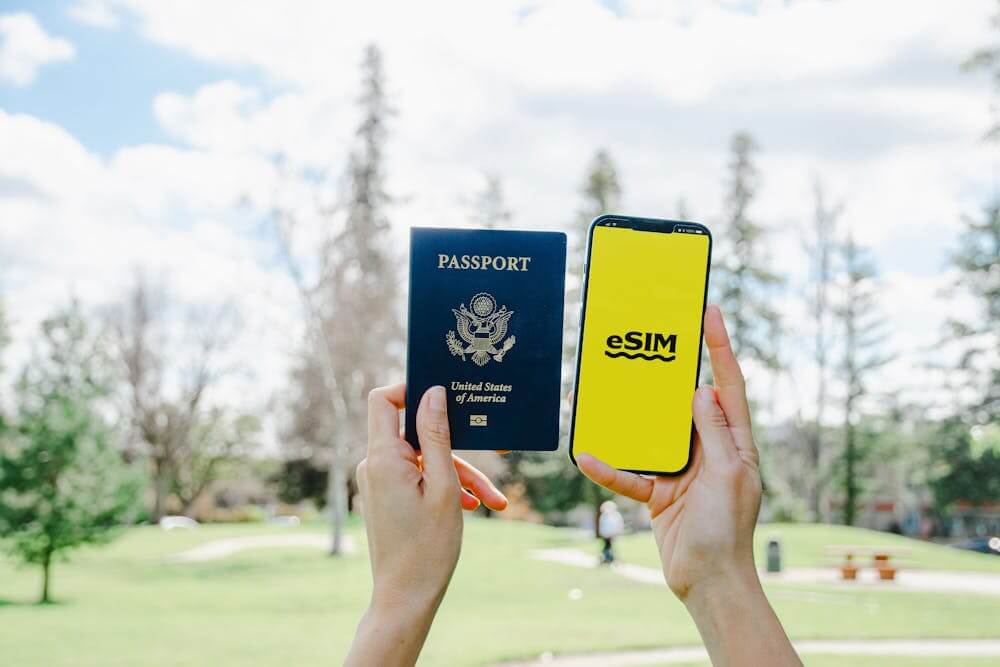
To address these challenges, companies are increasingly turning to more flexible and scalable connectivity options. One of the most effective solutions is the use of eSIM technology, which allows users to activate a mobile data plan digitally without needing a physical SIM card.
This approach offers several advantages for international teams:
- immediate access to mobile data upon arrival
- no need to purchase local SIM cards
- the ability to keep a primary number active
- better control over data usage and costs
- simplified logistics for employees and IT teams
Many companies are now adopting solutions like Holafly travel esim to ensure their teams stay connected abroad without dealing with expensive roaming fees or the inconvenience of finding local alternatives.
Supporting a mobile and global workforce
As businesses expand internationally, the concept of a “mobile workforce” is becoming the norm rather than the exception. Employees are expected to move seamlessly between locations while maintaining the same level of productivity as they would in the office.
To support this shift, organizations need to rethink how they equip their teams for travel. Connectivity should be treated as a core operational need, alongside devices, security protocols, and communication tools.
Providing employees with a reliable mobile data solution helps:
- maintain consistent communication across time zones
- improve employee experience during travel
- reduce stress and uncertainty when arriving in a new country
- ensure business continuity regardless of location
How to prepare your team before international travel
A well-prepared team is a productive team. Before sending employees abroad, companies can take a few simple steps to ensure smooth connectivity:
- Assess data needs based on the nature of the trip (meetings, remote work, travel time)
- Choose a flexible mobile data solution that works across destinations
- Ensure device compatibility with eSIM or international networks
- Set clear usage guidelines to avoid unnecessary costs
- Provide backup options in case of connectivity issues
By planning ahead, businesses can avoid last-minute complications and enable their teams to focus on their objectives.
Conclusion
In a globalized business environment, staying connected is no longer optional. It is a fundamental requirement for maintaining productivity, responsiveness, and competitiveness. Companies that invest in reliable connectivity solutions give their teams a clear advantage when operating internationally.
As business travel continues to grow and evolve, organizations that prioritize seamless communication will be better positioned to succeed. Ensuring that employees have the tools they need to stay connected—wherever they are—has become a key part of modern business strategy.