
For businesses, maintaining a clean and pest-free environment is more than a matter of appearance—it is essential for protecting employees, customers, inventory, and reputation. Rats can damage electrical wiring, contaminate food supplies, destroy stored products, and create health concerns that may lead to costly consequences. As commercial properties become more focused on sustainability and responsible business practices, traditional pest control methods are being replaced with more ethical and effective alternatives.
Today, humane pest management is gaining popularity because it balances effective rodent control with environmental responsibility. Businesses are realizing that modern solutions can address infestations without relying solely on harsh chemicals or inhumane practices.
Why Rats Are a Serious Business Risk
Commercial buildings provide ideal conditions for rodents. Restaurants, warehouses, office buildings, retail stores, hotels, and manufacturing facilities often offer food sources, shelter, and easy access points that attract rats.
A single infestation can result in:
- Damage to electrical systems and equipment
- Contamination of food and inventory
- Increased maintenance expenses
- Negative customer experiences
- Regulatory compliance issues
- Loss of business reputation
Ignoring early warning signs often allows rodent populations to multiply, making future control efforts more difficult and expensive.
The Shift Toward Humane Pest Control
Modern businesses are placing greater emphasis on responsible operations. Just as organizations invest in environmentally friendly cleaning products and sustainable waste management, they are also seeking pest control strategies that minimize unnecessary harm.
Humane rat trapping focuses on removing rodents efficiently while reducing suffering and limiting environmental impact. These methods also help reduce exposure to toxic chemicals that could affect employees, customers, or pets.
Rather than relying on outdated approaches, many property managers now incorporate prevention, exclusion techniques, sanitation improvements, and humane trapping into their long-term pest management plans.
Prevention Is More Effective Than Elimination
One of the biggest advantages of humane pest control is its focus on preventing infestations before they become severe.
Professional technicians begin by identifying why rodents entered the property in the first place. They inspect structural gaps, damaged vents, utility openings, drainage systems, and food storage practices that may attract pests.
Businesses looking for long-term humane rat trapping solutions often benefit from comprehensive inspections combined with exclusion techniques that prevent rodents from returning after removal.
This proactive strategy reduces recurring infestations while lowering long-term maintenance costs.
Supporting Workplace Safety
Employee safety remains a priority for every organization. Rodent infestations increase the risk of contamination and can introduce bacteria and parasites into workplaces.
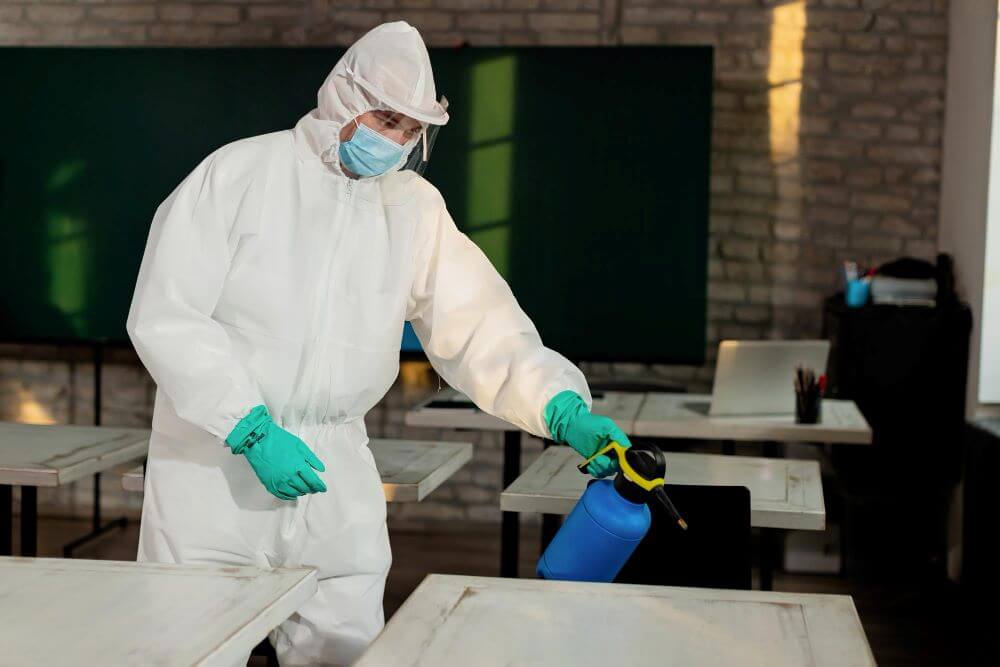
Using humane methods often means reducing the need for widespread chemical treatments, making commercial environments safer for staff and visitors. This is especially important for businesses operating in healthcare, hospitality, education, and food service industries where sanitation standards are exceptionally high.
A safer workplace also contributes to improved employee confidence and customer trust.
Protecting Brand Reputation
In today’s digital world, a single customer photo showing evidence of rodents can spread rapidly across review platforms and social media. The financial impact of negative publicity often exceeds the direct cost of pest control.
Businesses that prioritize routine inspections and responsible rodent management demonstrate a commitment to cleanliness, safety, and professionalism. Customers increasingly appreciate companies that adopt ethical practices while maintaining high operational standards.
Taking preventive action before problems become visible protects both business operations and public perception.
The Future of Commercial Pest Management
Technology continues to improve commercial pest control. Smart monitoring systems, data-driven inspections, and integrated pest management strategies are making rodent control more efficient than ever.
Humane trapping fits naturally within these modern approaches by emphasizing early detection, targeted removal, and long-term prevention rather than repeated chemical applications.
As businesses continue adopting sustainable practices across every aspect of their operations, humane pest management is expected to become the preferred standard rather than the exception.
Conclusion
Commercial pest control is evolving beyond simply eliminating rodents. Businesses now recognize the value of strategies that protect people, property, and the environment at the same time.
By focusing on prevention, responsible trapping methods, and ongoing property maintenance, organizations can reduce infestation risks while supporting healthier workplaces and stronger reputations. Humane rat trapping represents a practical, forward-thinking solution that aligns with the growing demand for sustainable and effective commercial pest management.