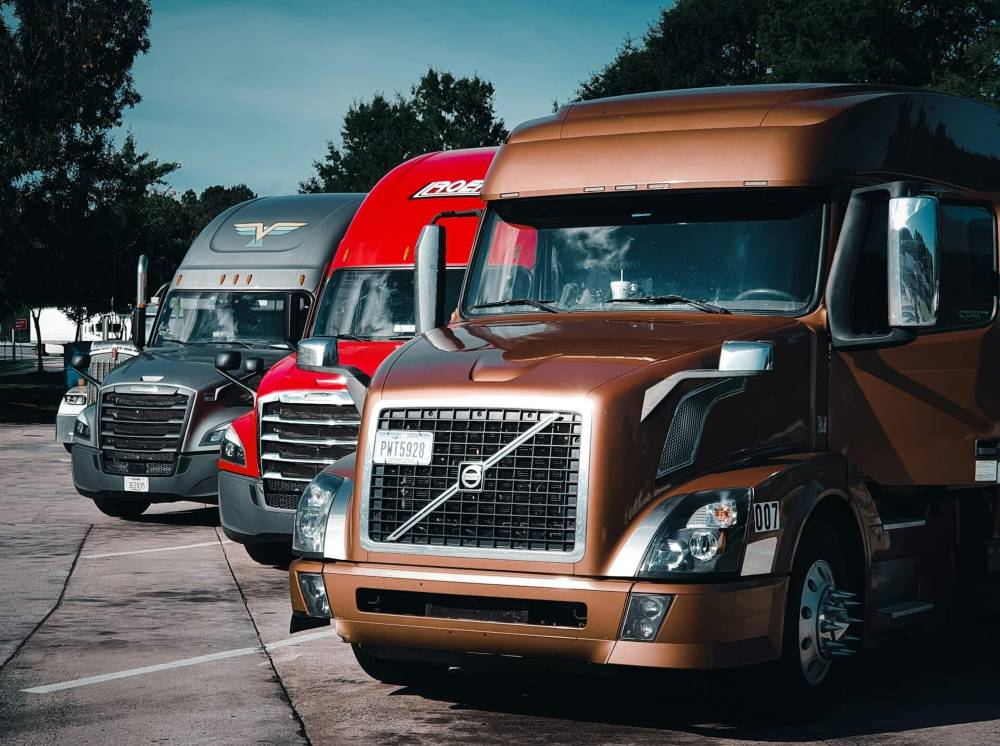

Moving a business toward a diesel fleet involves looking at many different factors. Business owners need to think about fuel costs, engine life, and how much weight their trucks can carry. Making the right choice helps keep a company profitable and keeps the drivers safe on the road.
Choosing the right fuel type depends on how you use your vehicles. Heavy work and long trips often make diesel the better option for modern businesses. You should look at the long-term benefits to see if this change fits your specific needs.
High Mileage Performance
Fleet owners look for ways to cut costs on every trip. Moving to diesel engines can help when trucks drive long distances every single day. The power these engines provide makes them great for highway driving.
If a truck travels over 20,000 miles a year, diesel becomes the smart pick. The Upfit Insider suggests this mileage marks the point where efficiency gains pay for the higher initial price. You get more miles out of every gallon when you stay on the road for long hours.
- Higher torque for towing heavy trailers.
- Better fuel economy during highway cruises.
- Stronger frames designed for heavy loads.
Understanding Operational Costs
Budgeting for a fleet takes careful planning and attention to detail. You need to know how much every mile costs your business to stay ahead of the competition. Small changes in how you manage your vehicles can lead to big savings.
Finding the right equipment matters for long-term success. If you find a Cummins ISL 8.9 L engine for sale, know that it represents a solid investment for heavy hauling. These engines provide the power needed for daily tasks without wearing down quickly.
Diesel rigs hold their value better than gasoline versions. You might pay more upfront, but the resale value stays high when it is time to upgrade. This makes the total cost of ownership lower for many companies.
Recent Fuel Price Trends
Fuel prices fluctuate constantly based on many global factors. This makes it hard to predict monthly expenses for transport companies that operate across the country. Managing these costs is a top priority for any fleet manager.
Diesel fuel often provides more energy per gallon than regular gasoline. This means you get further on a single tank of fuel. You spend less time stopping at the pump and more time making deliveries.
Engine Durability Factors
Work trucks face tough conditions on a daily basis in the field. They need parts that can handle heavy stress without breaking under the pressure of a full load. Reliability is the most important trait for a commercial vehicle.
Stronger components mean fewer trips to the repair shop for major fixes. A sturdy engine keeps your drivers on the road longer and reduces downtime. You can trust these machines to start up and work hard every morning.
Maintenance Cost Comparisons
Keeping trucks running involves regular checkups and parts replacement. These small costs add up over the life of the vehicle and impact your bottom line. Tracking every penny spent on repairs is part of a good business plan.
A study found that scheduled maintenance costs average 10.1 cents per mile for internal combustion engines. This helps you map out your spending for the year with high accuracy. Knowing these numbers allows for better financial forecasting.
- Oil changes are required less frequently than in gas engines.
- Brake wear is reduced with engine braking systems.
- Cooling systems are more robust for heavy workloads.
Improved Environmental Impact
Older diesel trucks had a reputation for being dirty and loud on the streets. Modern technology has changed that perception completely with new exhaust systems. Today’s trucks are much friendlier to the air we breathe.
Heavy Duty Journal reported that new diesel engines are 98% cleaner than models from twenty years ago. They produce far fewer particulates and nitrogen oxides than they used to in the past. This progress makes them a viable choice for eco-conscious companies.
Staying green is easier with these advanced filtration systems in place. You can meet strict rules without losing the power you need for hauling. It is a win for the environment and for your business goals.
Fuel Supply And Refineries
Having a steady supply of fuel is critical for any fleet operating on a schedule. You cannot afford to have trucks sitting idle because the local station is empty. A reliable supply chain keeps the economy moving forward.
Refineries produced over 1 million barrels per day throughout 2025. This shows a strong commitment to keeping fuel available for everyone who needs it. Production levels remain high enough to support a growing number of diesel vehicles.
High production levels help keep prices stable at the pump for everyone. You can rely on diesel being there when you need to fill up for a long haul. This stability is great for planning long-term routes and contracts.
Oil Change And Service Needs
Time spent in the shop is time lost for your business and your customers. Longer service windows keep your fleet moving and earning money. Reducing the number of visits to the mechanic is a great way to boost productivity.
Modern engines now allow for 15,000 miles between oil changes. This reduces the number of times a truck needs to stop for basic service tasks. You can plan your maintenance around your busiest seasons more easily.
Less frequent maintenance means lower labor costs over the course of a year. It simplifies the schedule for your mechanics and your drivers. Your fleet stays on the road where it belongs instead of sitting in a garage.
Market Price Realities
Comparing fuel types is a standard part of fleet management today. You have to look at the prices of both gas and diesel to make a smart choice. Every cent counts when you have dozens of vehicles on the road.
Gas prices stayed between $3.00 and $3.20 for most of 2025. This gives you a clear baseline for comparing diesel efficiency against standard gasoline options. You can see exactly how much you save by getting better mileage.
Better fuel economy often makes diesel the cheaper choice in the long run. Even with varying pump prices, the miles per gallon usually win out for heavy trucks. It is a mathematical advantage that shows up in your bank account.
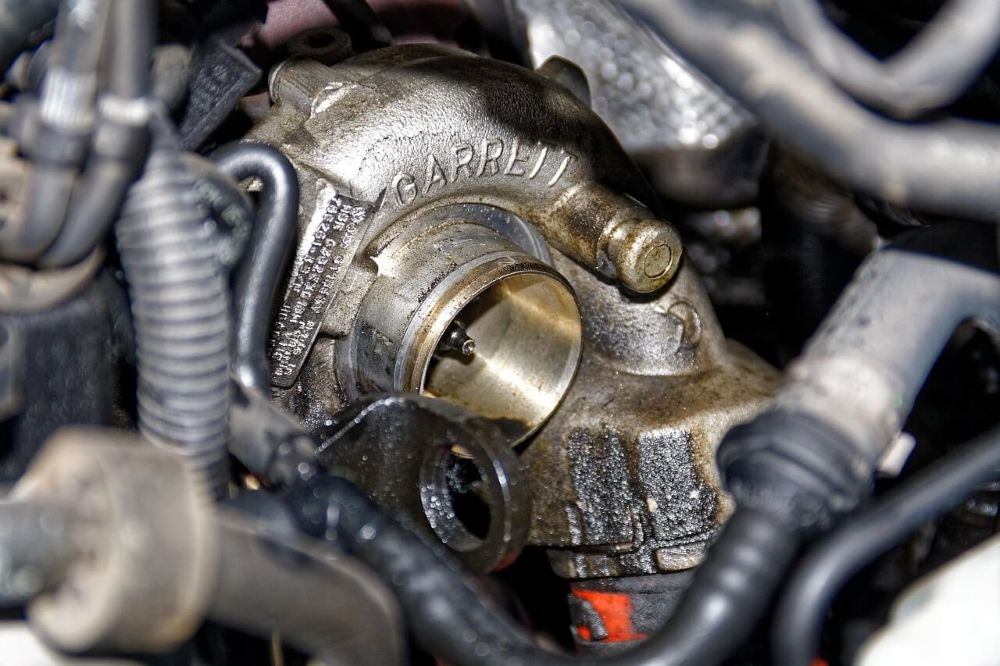
Switching your fleet involves many factors that vary from one business to the next. You should look at your mileage and load requirements before making a final choice. Talking to your team about their needs will help you make the best decision.
Diesel offers many perks for heavy-duty work and long-distance travel. If your business relies on tough trucks that work every day, this transition could save you money. It is a path toward a more efficient and reliable future for your company.