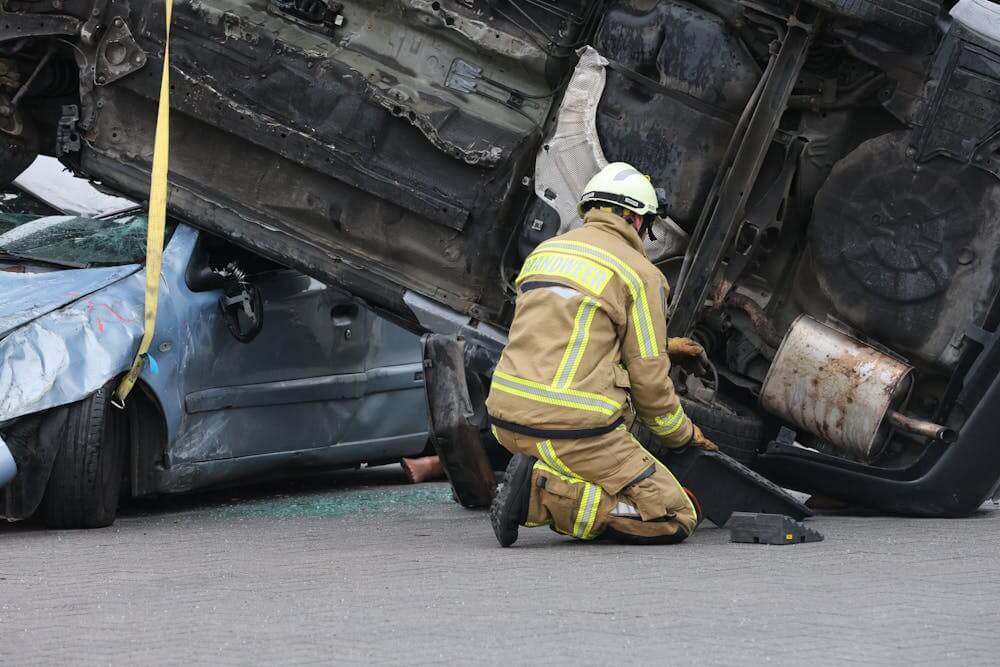

Truck accident claims in Queens present distinct challenges that set them apart from typical car accidents. The sheer size and weight of commercial trucks lead to more severe damage and injuries. However, the complications extend far beyond the physical impact of the crash itself.
Victims face a more difficult legal process because truck accidents involve multiple parties, strict federal regulations, and several insurance policies that overlap. Trucking companies, drivers, cargo handlers, and their insurers all play a role in these cases. Each party may share responsibility, which makes it harder to determine who owes compensation. The rules that govern commercial trucks add another layer of difficulty that most accident victims never expect to navigate.
Multiple Parties Involved, Including Drivers, Trucking Companies, and Cargo Loaders
Truck accident cases differ from typical car crashes because responsibility can fall on several different parties. A Queens truck accident lawyer with proven results at Davidoff Law Personal Injury Lawyers often investigates multiple entities to determine who shares fault.
The truck driver may bear responsibility if they violated traffic laws or drove while fatigued. However, the trucking company can also face liability for inadequate driver training or pressure to meet unrealistic delivery schedules. These companies sometimes fail to maintain their vehicles properly, which leads to mechanical failures on the road.
Cargo loaders represent another party that victims must consider. Improper weight distribution or unsecured loads can cause a truck to become unstable and result in accidents. Maintenance providers may share fault if they failed to repair known defects.
This web of potential defendants makes these cases far more complex than standard vehicle collisions. Each party typically has separate insurance coverage and legal representation, which adds layers to the investigation process.
Federal and State Trucking Regulations Impact Liability and Compensation
Truck accidents in Queens fall under both federal and state rules that control the trucking industry. These regulations set clear standards for how drivers and companies must operate. For example, federal law limits how many hours a driver can work without rest.
Violations of these rules can strengthen a victim’s claim. If a driver broke hours-of-service laws or a company failed to maintain a truck properly, this evidence helps prove negligence. Such violations often lead to higher compensation amounts because they show the at-fault party ignored safety requirements.
State laws in New York add another layer to consider. These laws affect how long victims have to file claims and how fault gets assigned. The combination of federal and state regulations makes truck accident cases more complex than regular car accidents.
Trucking companies face serious penalties for rule violations, including fines and loss of their operating authority. However, these same violations provide valuable evidence for victims who seek fair compensation for their injuries and losses.
Severity of Injuries Due to Truck Size and Weight
Commercial trucks weigh 20 to 30 times more than standard passenger vehicles. This massive weight difference creates far more dangerous collisions on Queens roads. The force of impact from a large truck often causes life-altering harm to people in smaller cars.
Victims frequently suffer traumatic brain injuries, spinal cord damage, or multiple broken bones. These injuries require months or years of medical treatment. Many people face permanent disabilities that change their ability to work and live independently.
The size of commercial trucks also limits a driver’s ability to stop quickly. A fully loaded truck needs much more distance to brake than a car. This delay often results in high-speed collisions that cause severe trauma.
Truck accident claims typically exceed $100,000 in costs. Medical bills, lost wages, and long-term care expenses add up quickly. The physical toll on victims makes these cases particularly complex to resolve fairly.
Multiple Insurance Policies and Overlapping Benefits
Truck accidents involve far more insurance policies than regular car crashes. A single collision can trigger coverage from the trucking company, the driver, the trailer owner, and the cargo company. Each policy has different limits and terms that affect how victims receive compensation.
Insurance companies often dispute which policy should pay first. These arguments between insurers create delays that leave victims without the funds they need for medical care and lost wages. In some cases, multiple companies may deny responsibility and shift blame to each other.
The overlap between policies adds another layer of complexity. For example, a victim’s health insurance may cover initial medical costs while auto insurance handles vehicle damage. However, these overlapping benefits can lead to confusion about which insurer pays for what expenses.
Victims face the risk of insurance fraud accusations if they handle multiple claims incorrectly. Companies scrutinize cases where several policies apply to make sure no one receives more than the actual loss. This extra attention can slow down the claims process even further.
Complex Evidence Collection Including Video, Witness Statements, and Site Analysis
Truck accident claims require victims to gather multiple types of evidence at once. The process becomes difficult because these cases often involve several sources of information that must work together to prove what happened.
Video footage from traffic cameras, dashboard cameras, and nearby businesses can show how the accident occurred. However, victims need to act fast because many systems delete footage after a few days. The quality of video evidence also varies, which means some recordings may need special analysis to provide clear details.
Witness statements add another layer to the investigation. Different people see accidents from different angles and may remember details differently. Attorneys must collect these accounts quickly while memories remain fresh.
Site analysis involves documenting road conditions, skid marks, vehicle damage, and other physical evidence. Truck accidents often disturb large areas, so investigators must measure and photograph everything before weather or traffic removes important clues. Each piece of evidence must support the others to build a strong case for the victims.
Conclusion
Truck accident claims in Queens involve more complex legal challenges than standard car crashes. Multiple parties may share liability, federal regulations apply, and insurance companies often use delay tactics to reduce payouts. Victims face higher medical costs and longer recovery times due to the severity of these crashes. A qualified attorney helps accident victims navigate these complications and pursue fair compensation for their injuries and losses.