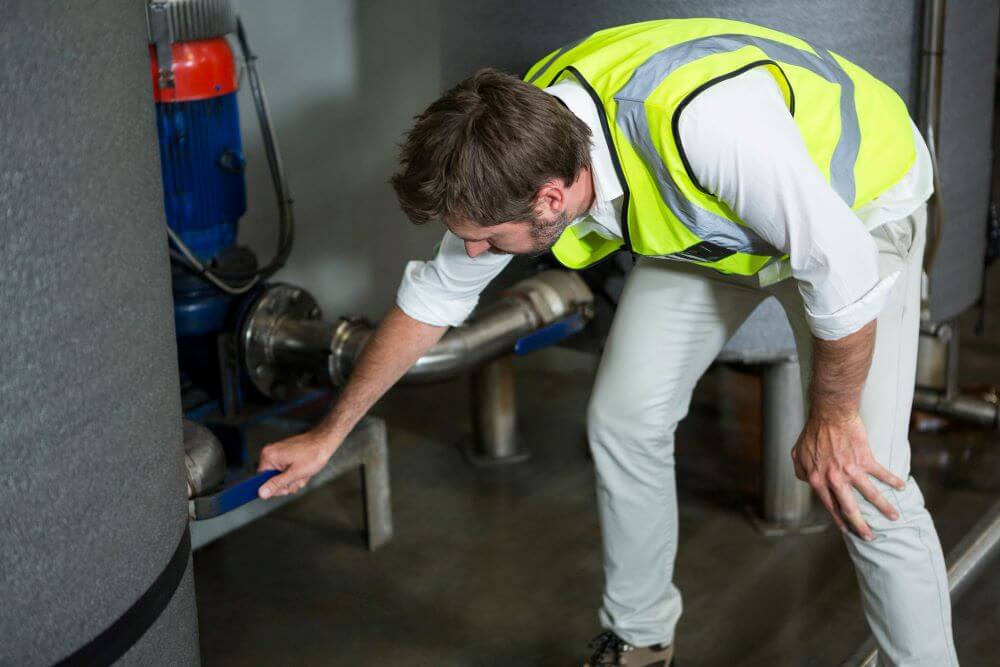

For Houston business owners, unexpected disruptions can quickly become expensive. Severe weather, aging plumbing systems, fluctuating temperatures, and high water demand all increase the risk of burst pipes in commercial properties. Whether it’s a retail store, office building, restaurant, or warehouse, a burst pipe can interrupt operations, damage inventory, and create safety hazards within minutes.
Many companies focus on cybersecurity, emergency preparedness, and business continuity planning, yet overlook one of the most common property emergencies: plumbing failures. Having a clear response plan for burst pipes helps businesses reduce downtime, protect valuable assets, and avoid unnecessary financial losses.
Why Burst Pipes Create Major Business Risks
Unlike a slow plumbing leak, a burst pipe releases a large volume of water in a very short period of time. Water can spread through offices, storage rooms, equipment areas, and customer spaces before employees realize there is a problem.
For businesses, the consequences often extend beyond repair costs. Water damage may interrupt daily operations, damage inventory, affect electrical systems, and create unsafe working conditions. Restaurants, healthcare facilities, and manufacturing businesses may also face regulatory concerns if plumbing failures affect sanitation or production.
The longer a damaged pipe continues leaking, the greater the restoration costs become.
Common Causes of Burst Pipes in Houston
Houston presents several unique challenges for commercial plumbing systems.
Many commercial buildings operate with aging underground infrastructure that has experienced years of wear. Tree root intrusion, shifting soil, pipe corrosion, excessive water pressure, and accidental construction damage can all weaken plumbing systems over time.
Houston’s expansive clay soil also contributes to underground pipe movement. As the soil expands and contracts with changing moisture levels, additional stress is placed on buried water lines, increasing the likelihood of cracks or pipe failures.
Businesses that rely heavily on water usage—including restaurants, hotels, medical facilities, and industrial properties—may experience even greater strain on their plumbing systems if regular inspections are neglected.
Building an Effective Emergency Response Plan
Preparing for a burst pipe begins long before an emergency occurs.
Every business should identify the location of its main water shut-off valve and ensure multiple employees know how to access it. Staff should understand the basic emergency procedures, including shutting off the water supply, protecting critical equipment, and contacting the appropriate service providers.
It is equally important to maintain updated contact information for restoration contractors, insurance providers, and licensed plumbers. Fast communication can significantly reduce recovery time and limit property damage.
Routine inspections should also be part of every facility management plan. Identifying small leaks, corrosion, or pressure issues early often prevents much larger emergencies later.
Prevention Is More Affordable Than Emergency Recovery
Many plumbing emergencies develop gradually before becoming major failures. Small leaks, recurring water pressure fluctuations, unusual noises inside pipes, or unexplained increases in water bills often indicate underlying issues that require professional attention.
Rather than waiting for a complete system failure, businesses should schedule periodic plumbing inspections and maintenance. When warning signs appear, investing in professional emergency burst pipe repair services can help address damaged piping before water losses escalate into major operational disruptions. Early intervention not only reduces repair costs but also helps businesses resume normal operations much faster.
Preventive maintenance provides an opportunity to evaluate vulnerable plumbing components, replace aging materials, and improve the overall reliability of the building’s water system.
The Financial Benefits of Planning Ahead
Emergency plumbing repairs almost always cost more than preventive maintenance.
Unexpected shutdowns can lead to lost revenue, cancelled appointments, delayed production schedules, and dissatisfied customers. Businesses may also incur expenses related to water extraction, structural drying, mold remediation, equipment replacement, and insurance deductibles.
Developing a response plan reduces uncertainty during emergencies and helps organizations make faster, more informed decisions. Companies with documented emergency procedures typically recover more efficiently because responsibilities are clearly assigned before an incident occurs.
Property managers should also review insurance coverage regularly to understand what types of water damage are included and what documentation may be required when filing a claim.
Creating a More Resilient Business
Business continuity depends on more than financial planning and technology. The condition of a property’s physical infrastructure plays an equally important role in long-term success.
Routine plumbing assessments, employee preparedness, and scheduled maintenance all contribute to a safer and more reliable workplace. Investing in preventive measures today can prevent significant operational disruptions tomorrow.
For Houston businesses, burst pipes are not simply maintenance issues—they are business risks. By developing an emergency response plan and addressing plumbing problems before they become disasters, organizations can protect their employees, customers, property, and long-term profitability.
Conclusion
No business can completely eliminate the possibility of a burst pipe, but every business can prepare for one. A proactive maintenance strategy, combined with a well-defined emergency response plan, helps reduce downtime, control repair costs, and protect valuable assets.
In Houston’s demanding commercial environment, planning ahead isn’t simply good facility management—it’s a smart business decision that supports operational resilience and long-term growth.