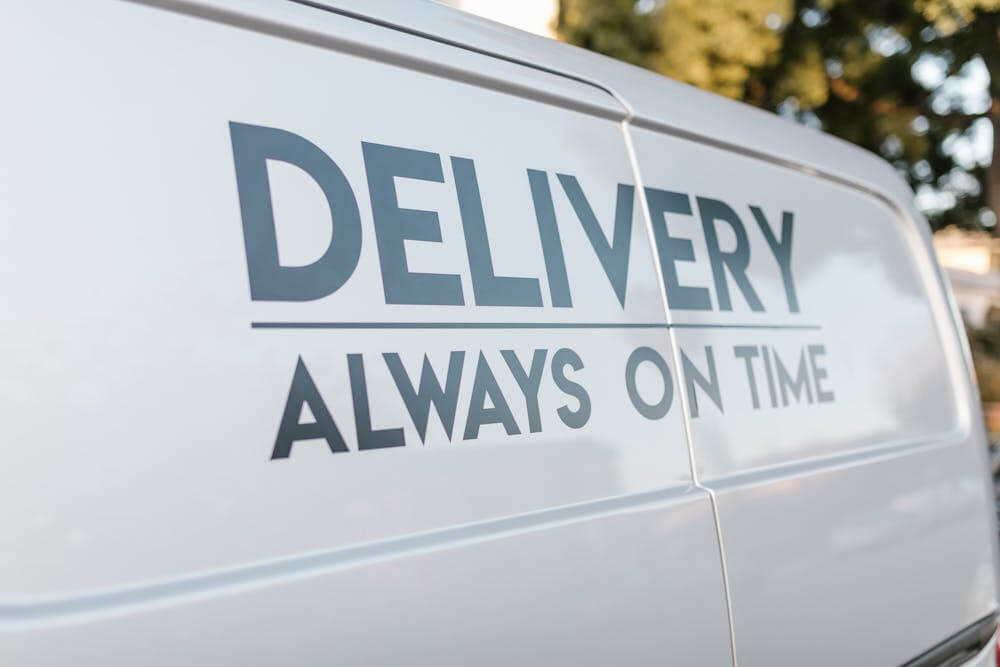

The massive logistics machine that powers the modern economy runs on a schedule that leaves very little room for human error or delay. Most people see semi trucks as a necessary part of the landscape without realizing the immense pressure behind every delivery.
Corporate leaders often view trucks as moving balance sheets rather than heavy machines that require constant care and professional handling. This disconnect between the boardroom and the highway creates a culture where hitting a specific deadline is prioritized over the safety of others.
Legal teams look for signs of systemic failures whenever a major crash occurs on a public road. Proving that profits came before safety is the only way to address trucking company negligence when an innocent driver pays the price for a corporate mistake.
The High Cost of Forced Overtime
Federal law strictly limits how many hours a commercial driver can stay behind the wheel without taking a mandatory rest break. These rules exist because a fatigued person operating an eighty thousand pound vehicle is essentially a ticking time bomb on the highway.
Managers frequently encourage their staff to push past these boundaries to keep the supply chain moving as quickly as possible. When a driver feels their job is at stake, they might choose to ignore their own exhaustion and stay on the road.
Electronic logs were supposed to solve this problem, but some companies still find ways to manipulate the data or pressure employees into falsifying records. This type of environment makes a collision almost inevitable once the driver loses focus due to sheer physical burnout.
Maintenance Shortcuts and Mechanical Failures
Keeping a fleet of trucks in top condition is an expensive and time consuming process that requires a dedicated team of mechanics. Unfortunately, some operations see maintenance as an easy place to cut costs when the quarterly budget starts looking a little thin.
Worn tires and thin brake pads are often ignored during routine inspections because replacing them takes the truck off the road for several hours. This delay is unacceptable to companies that value volume and speed above the mechanical integrity of their vehicles.
When a steering component or a braking system fails at sixty miles per hour, the result is usually catastrophic for everyone involved. These mechanical issues are rarely just bad luck and are typically the result of months of neglected repairs and ignored warnings.
Vetting the Person Behind the Wheel
Hiring a commercial driver requires a deep dive into their professional history and their previous safety record on the road. A company that fails to conduct a thorough background check is essentially inviting a disaster into their organization and onto our highways.
Some fleets are so desperate for labor that they overlook past violations or provide inadequate training for their new recruits. This lack of oversight means that inexperienced or dangerous individuals are given control of massive machines that they are not qualified to operate.
Negligent hiring practices are a clear sign of a corporate culture that doesn’t take the responsibility of public safety seriously enough. Every driver should be fully vetted and properly trained before they are ever allowed to pull a heavy trailer through city traffic.
Proving the Pattern Through Documentation
Investigating a commercial crash involves a tedious search through stacks of maintenance logs and internal communications. These documents provide a window into how the company actually operates when they think no one is watching their daily decisions or their safety protocols.
Digital black boxes and GPS data trackers record every movement and braking event, making it hard for a firm to hide a history of reckless behavior. This data often reveals a consistent pattern of speeding and ignored rest breaks that preceded the final impact.
Proving that a specific event wasn’t just an isolated incident requires looking at the habits of the entire fleet. When records show that multiple drivers were violating rules, it demonstrates that the management was actively encouraging a dangerous environment for the sake of revenue.
Holding a parent company accountable for the actions of their drivers is the only way to force a real change in the industry. Financial penalties and legal judgments provide the necessary incentive for corporations to reinvest in safety and better training for their staff.
When the cost of negligence becomes higher than the profit gained from cutting corners, the culture begins to shift toward a more responsible approach. This accountability protects every person on the road by ensuring that the biggest vehicles are the most carefully managed.
True safety comes from a commitment that starts at the top and trickles down to every mechanic and driver in the fleet. By demanding higher standards, the public can help reduce the number of preventable tragedies that occur when profits outpace human lives.