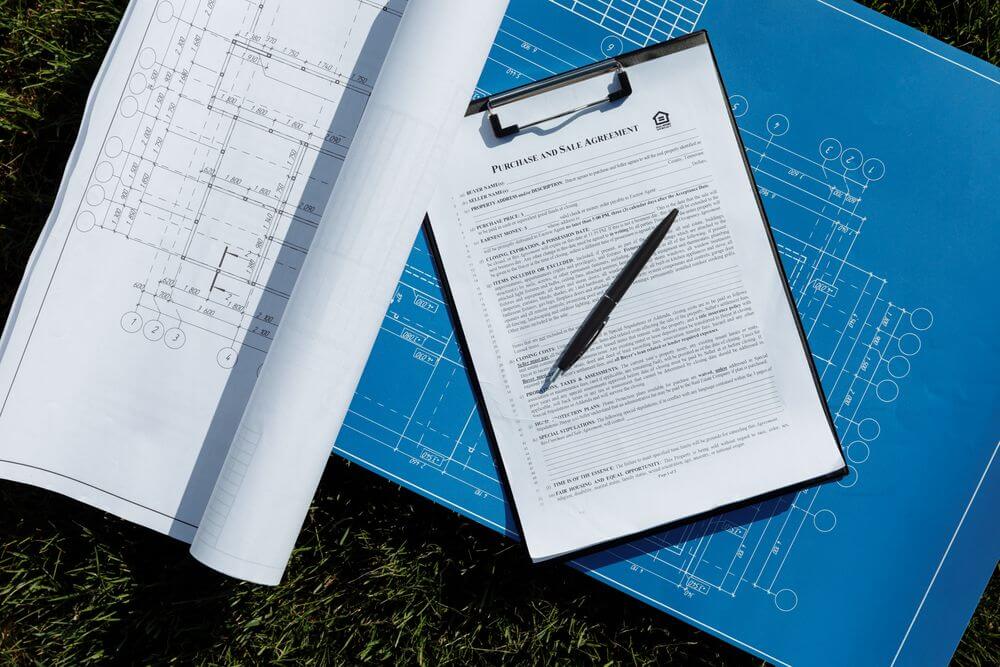

Construction projects require careful planning, clear communication, and cooperation between many different parties. Owners, contractors, subcontractors, architects, engineers, and suppliers all play important roles in completing a successful project. When expectations are unclear or problems arise, even a well-managed project can become the subject of a legal dispute.
Construction disagreements can delay projects, increase costs, and strain business relationships. Because of these risks, many property owners, contractors, and developers seek legal guidance for construction disputes before conflicts become more difficult to resolve. Addressing issues early often saves time, protects investments, and creates more opportunities to reach a practical solution.
According to the U.S. Census Bureau, construction spending in the United States regularly reaches trillions of dollars each year. With projects of every size taking place across the country, disputes involving contracts, payments, delays, and project performance are an ongoing reality for businesses operating in the construction industry.
Why Construction Disputes Are Common
Construction projects are more complex than many other business transactions. A single project may involve several contracts, changing schedules, unexpected site conditions, and multiple companies working together at the same time.
Even small misunderstandings can grow into larger disagreements if they are not addressed quickly. Questions about payment, workmanship, scheduling, or contract obligations often become the foundation of legal claims.
Unlike ordinary business disputes, construction cases frequently involve both legal and technical issues. Resolving them may require reviewing contracts, project records, engineering reports, inspection results, and industry standards before responsibility can be determined.
The Parties Involved
Construction disputes rarely involve only two parties. Depending on the size and complexity of the project, a disagreement may include property owners, general contractors, subcontractors, material suppliers, architects, engineers, developers, and construction managers. Each party has different responsibilities that are typically outlined in one or more contracts.
Because multiple companies and professionals often work on the same project, determining who is legally responsible is not always straightforward. Resolving a dispute may require a careful review of contracts, project records, change orders, payment documents, and written communications to understand each party’s role and potential liability.
Common Causes of Construction Disputes
Although every project is unique, many legal conflicts arise from similar situations.
Payment Disputes
Payment disagreements remain one of the leading causes of construction litigation. A contractor may complete work without receiving payment on time. Likewise, subcontractors and suppliers may experience delays because payments are held up somewhere else in the construction chain.
These disputes may involve unpaid invoices, disputed change orders, retainage, or disagreements over completed work.
Breach of Contract
Construction contracts define the responsibilities of every party involved. A breach may occur if one party fails to perform required work, misses important deadlines, fails to make payments, or does not comply with other contractual obligations.
Because construction agreements are often lengthy and detailed, resolving these disputes usually requires careful legal review.
Defective Workmanship
Owners sometimes believe completed work fails to meet contract requirements or accepted construction standards. Contractors, however, may believe the work satisfies industry expectations and complies with project specifications. When opinions differ, independent experts are often asked to evaluate whether the work meets professional standards.
Project Delays
Construction schedules can be affected by weather, labor shortages, supply chain disruptions, permit approvals, design changes, and unexpected site conditions. Some delays are unavoidable, while others may result from poor planning or contract violations. Determining responsibility often depends on the contract language and project documentation.
Scope Changes
Construction projects frequently change after work begins. Additional work requests, revised designs, or unforeseen conditions often require formal change orders. When those changes are not properly documented, disagreements may arise over who approved the work and who is responsible for the added cost.
Design and Engineering Errors
Problems within architectural drawings or engineering plans can create expensive delays and additional work. Incorrect specifications or design conflicts may require significant revisions, increasing costs for multiple parties involved in the project.
Warranty and Insurance Disputes
Construction projects sometimes generate disagreements long after the work has been completed. Questions may arise about warranty obligations, repair responsibilities, or whether insurance policies cover certain damages. Resolving these issues often requires reviewing both construction contracts and applicable insurance policies.
Why Documentation Is Essential
Good documentation often becomes the strongest evidence in a construction dispute.
Important records include:
- Signed contracts
- Approved change orders
- Payment records
- Inspection reports
- Daily project logs
- Construction schedules
- Emails and written communications
- Photographs documenting project progress
Accurate records provide a clear timeline of events and help reduce disagreements about what actually occurred during the project.
Understanding Mechanic’s Liens
Mechanic’s liens are one of the most important legal tools available in construction disputes. When contractors, subcontractors, or suppliers are not paid for labor or materials, they may have the right to file a lien against the property where the work was performed.
A properly filed mechanic’s lien can affect property ownership, financing, and future sales until the payment issue is resolved. Every state has different filing requirements, notice rules, and deadlines. Missing a required step can affect whether a lien remains enforceable, making it important to understand the applicable legal requirements before taking action.
Options for Resolving Construction Disputes
Not every construction dispute needs to end in a courtroom. Many disagreements can be resolved through alternative methods that save time, reduce legal expenses, and preserve business relationships.
Construction contracts often include dispute resolution clauses that outline the steps parties must follow before filing a lawsuit. Understanding these options can help businesses choose the most effective path based on the circumstances of the dispute.
Negotiation
Negotiation is usually the first step in resolving a construction dispute. The parties communicate directly to discuss the issues, exchange information, and explore possible solutions without involving a third party.
Successful negotiations can resolve payment disputes, scheduling conflicts, or contract misunderstandings quickly. Reaching an agreement early often allows the project to move forward while avoiding the cost and uncertainty of formal legal proceedings.
Mediation
If negotiations do not resolve the dispute, mediation may be the next option. During mediation, an independent third party helps facilitate discussions between both sides and encourages them to reach a mutually acceptable agreement.
Unlike a judge or arbitrator, the mediator does not decide who wins the case. Instead, the mediator helps the parties identify common ground and work toward a practical solution that both sides can accept.
Arbitration
Many construction contracts require arbitration instead of traditional litigation. In arbitration, an independent arbitrator reviews documents, hears testimony, and considers the evidence presented by both parties.
The arbitrator then issues a decision that may be legally binding, depending on the terms of the contract. Arbitration is often faster than court proceedings, although it still requires careful preparation and supporting evidence.
Litigation
When other dispute resolution methods do not produce an agreement, litigation may become necessary. A lawsuit allows the parties to present their case before a judge or jury, who will decide the outcome based on the evidence and applicable law.
Construction litigation often involves expert witnesses, detailed project records, engineering reports, and extensive contract analysis. Because these cases can be both legally and technically complex, thorough preparation is essential throughout the process.
How Construction Disputes Affect Businesses
Construction disputes create more than legal expenses.
Businesses may experience:
- Delayed project completion
- Cash flow problems
- Increased financing costs
- Lost business opportunities
- Damage to professional relationships
- Reputational concerns
- Higher insurance costs
Resolving disputes efficiently allows businesses to minimize disruption and focus on completing projects instead of managing prolonged legal conflicts.
When Should You Seek Legal Advice?
Waiting too long to obtain legal guidance can limit available options.
It may be appropriate to consult an attorney when:
- A payment dispute continues without resolution.
- A contract has been breached.
- A mechanic’s lien has been filed.
- A demand letter has been received.
- Significant project delays are creating financial losses.
- Defective work is being alleged.
- A lawsuit appears likely.
Early legal review may help preserve important evidence, identify contractual rights, and improve the chances of resolving the matter before costs continue to grow.
Preventing Construction Disputes
Many disputes can be avoided through careful planning and consistent communication.
Property owners and contractors should:
- Use detailed written contracts.
- Clearly define the project scope.
- Document every approved change.
- Keep organized project records.
- Maintain written communication whenever possible.
- Address concerns immediately instead of allowing them to grow.
These simple practices often reduce misunderstandings and provide valuable documentation if disagreements arise later.
Why Contract Review Matters
Construction contracts establish the expectations and responsibilities of everyone involved before work begins. A careful review should examine important provisions such as payment schedules, project deadlines, change order procedures, insurance requirements, warranty obligations, dispute resolution clauses, and termination rights. Taking the time to understand these terms helps reduce misunderstandings and provides a clear framework for handling issues if they arise during the project.
Reviewing a construction contract before signing can also help identify unclear language or provisions that may create unnecessary risk later. Understanding the agreement from the beginning allows property owners, contractors, and businesses to make informed decisions and avoid costly disputes. The American Bar Association Forum on Construction Law offers educational resources on construction contracts, project risk management, and dispute resolution for those looking to learn more about common legal issues affecting construction projects.
Final Thoughts
Construction projects involve significant financial investments and numerous contractual responsibilities. Whether the issue involves payment, delays, defective work, warranty claims, or contract interpretation, addressing concerns promptly often provides the best opportunity for a successful resolution.
Clear contracts, organized documentation, and open communication remain the strongest tools for preventing disputes before they become expensive legal matters. When disagreements cannot be resolved through discussion or negotiation, obtaining experienced legal guidance allows businesses, contractors, and property owners to better protect their rights while working toward a practical and informed resolution.