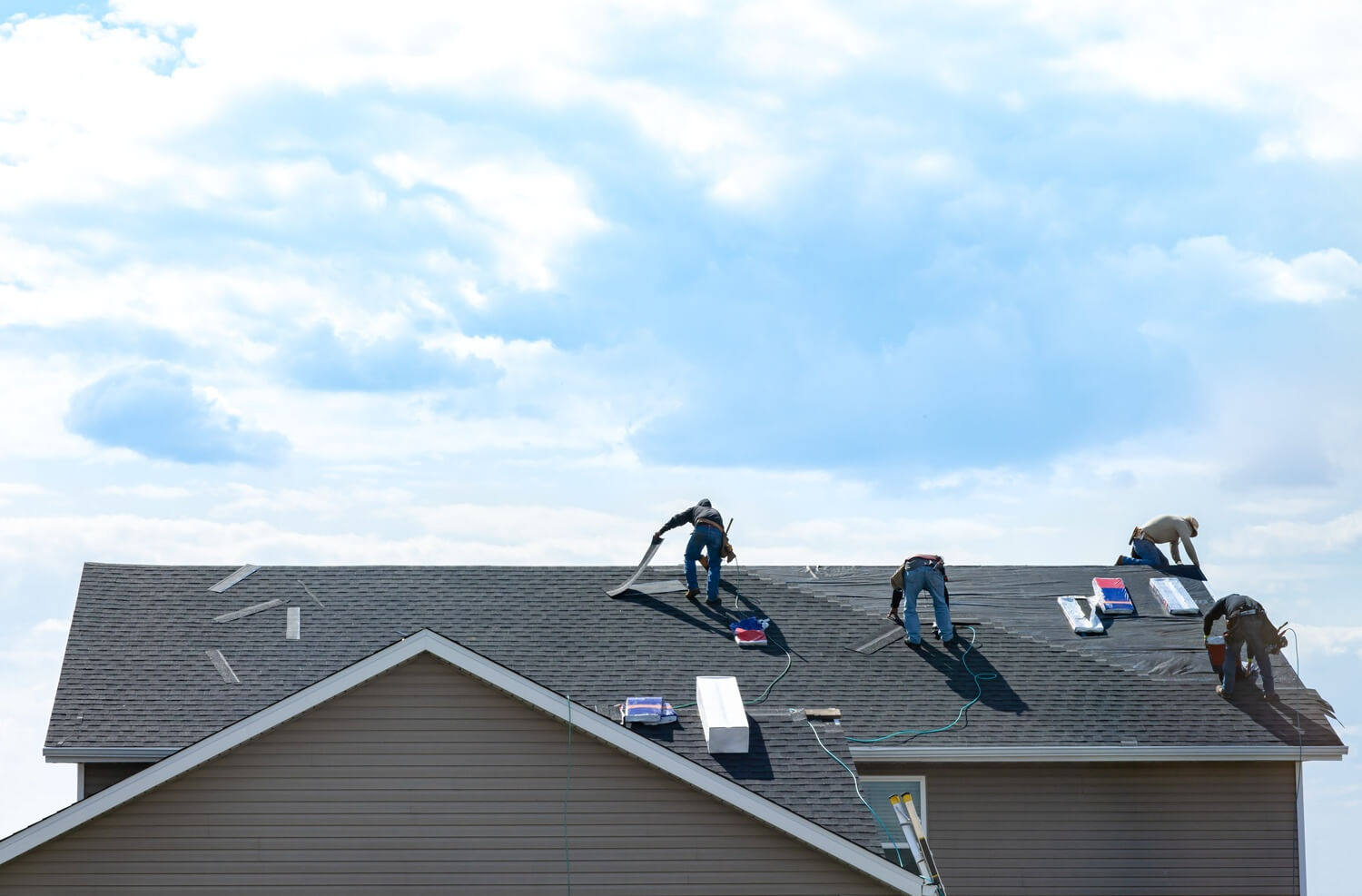

Local roofing contractors handle roof installations in a hands-on way that keeps homes protected, stable, and ready for changing weather. Their work relies on practical experience, proper training, and clear communication with homeowners. Each project involves technical assessments, material choices, and controlled installation steps. The process may look straightforward from the outside, although it involves many small decisions that influence long-term performance. Contractors familiar with local conditions tend to approach these jobs with methods shaped through regular fieldwork in their own communities.
Site Checks and Early Planning
Roof installation begins with a close look at the roof structure. Contractors examine the framing, ventilation layout, and condition of existing components. They check for rot, moisture, and old fasteners. They also study slopes and transitions because these details guide how materials should be positioned.
Roof measurements follow. Contractors gather the dimensions they need to calculate material quantities. They check access points around the home, identify hazards, and plan equipment placement. Planning sessions often include conversations about the homeowner’s goals for durability, appearance, and long-term maintenance. Many clients look for something that contributes to home improvement, so early discussions often cover the pros and cons of materials like asphalt shingles, architectural shingles, or options such as slate and tile.
Local contractors also factor in regional weather patterns. Many neighborhoods experience long periods of sun exposure or seasonal rain. These conditions shape the material choices and installation sequence since weather-resistant materials handle these shifts better. Contractors prepare a timeline, confirm start dates, and outline how debris will be removed throughout the project. Clear preparation reduces delays once installation begins.
Material Selection and Compliance
Material selection influences how the roof performs over time. Contractors explain how each material responds to heat, UV exposure, and moisture. Some homeowners prefer traditional looks, while others want materials that affect energy efficiency. Choices depend on budgets, house style, and long-term maintenance preferences. Local contractors stay familiar with regional suppliers, which helps them acquire consistent materials on schedule.
Location-specific needs also shape these installs. For instance, homeowners seeking estimates for Sarasota roof replacement often ask about material performance in hot, humid areas, so contractors in that region focus on products suited for those climates. Local professionals also track building codes because compliance protects homeowners legally and structurally. Codes address ventilation spacing, underlayment requirements, fastening techniques, and fire ratings.
Insurance requirements add another layer. Households dealing with storm damage sometimes need assessments completed for insurance claims. Contractors document the site conditions, take photos, and provide written reports as needed. Many also explain financing options for homeowners who prefer structured payment schedules for large installations.
Installation Practices and Field Techniques
Roof installation involves a sequence of steps designed to create a stable surface. Contractors start with tear-off work if an old roof is in place. Crews remove worn materials carefully to keep debris contained. They then inspect the exposed deck for structural issues. Any soft spots or loose panels get attention before new materials are applied.
Underlayment placement follows. Installers roll out moisture barriers, align them properly, and fasten them according to manufacturer instructions. Flashing comes next around chimneys, skylights, and vents. Accurate flashing placement reduces future leak repair needs because water intrusion tends to start near roof transitions.
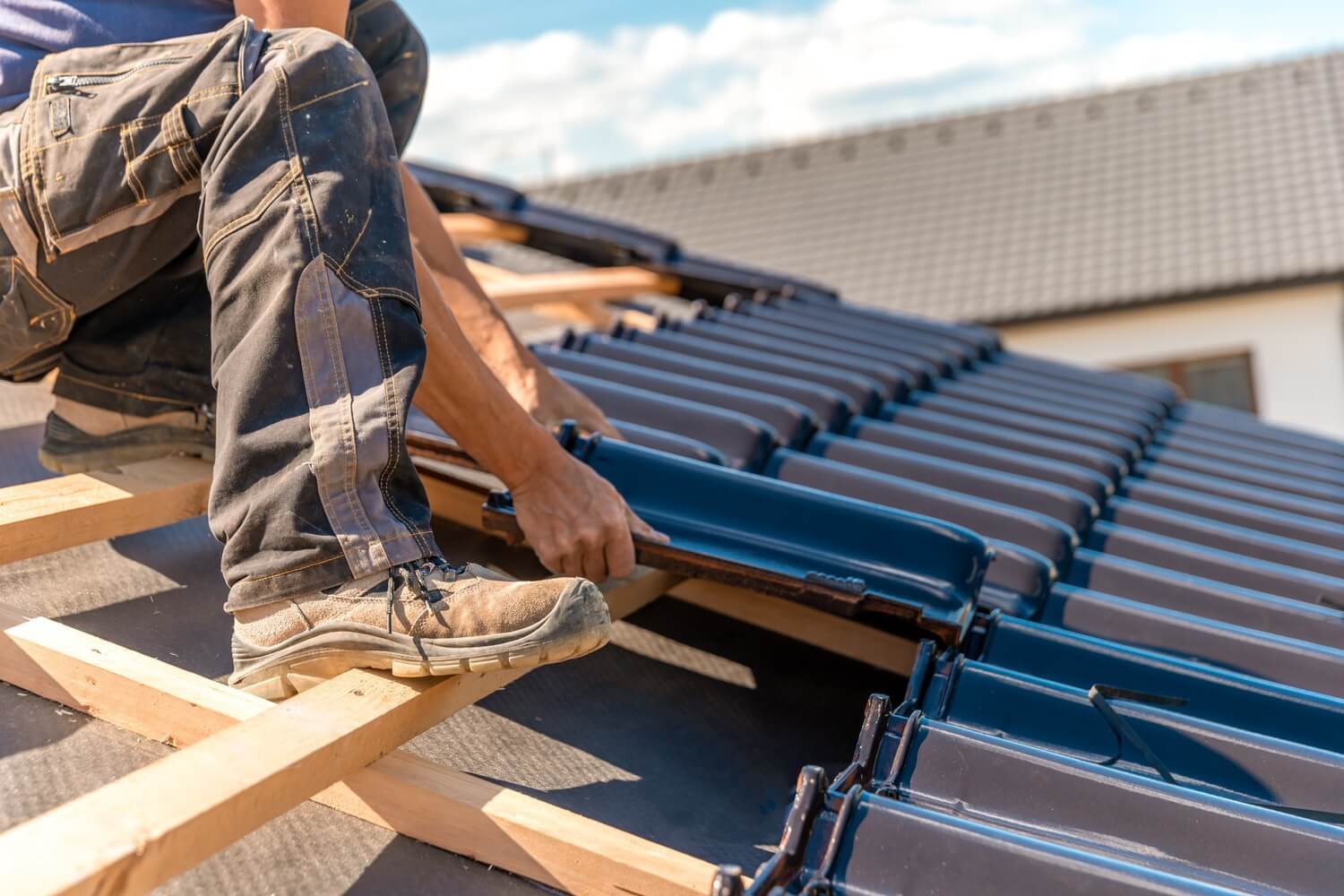
Shingle or tile installation becomes the most noticeable stage. Contractors follow specific fastening patterns that match material type. They adjust each row to keep alignment steady across the surface. The process might look repetitive, though installers stay alert to slopes, valleys, and eaves. These areas influence how water moves across the surface.
Cleanup takes place throughout the project. Crews remove debris, sweep for stray nails, and organize materials. Structured movement around the site keeps work efficient while creating fewer disruptions for the homeowner.
Quality Checks and Finishing Steps
Experienced contractors complete several inspections before closing out a project. They look for gaps, uneven lines, loose fasteners, and exposed seams. Vent locations get another check because airflow affects roof lifespan. Installers test sealants, clean gutters, and verify flashing integrity.
Many contractors also provide walkthroughs for clients. These short sessions help homeowners understand what was installed, what materials were used, and how to handle basic maintenance. They also answer questions related to warranties or coverage. Homeowners who experience severe weather later may contact contractors again for help assessing potential issues linked to hail, falling branches, or high winds.
Customer service plays a steady role at this stage since many clients want reassurance after a major home project. Clear explanations create smoother communication and help households feel prepared if they need adjustments, small repairs, or future upgrades.
Longevity, Maintenance, and Regional Needs
Local contractors often provide guidance on long-term care. Advice may include cleaning gutters, checking flashing during seasonal shifts, and spotting early signs of deterioration. Many homeowners also ask about maintenance costs because regular upkeep helps roofs last longer. Questions often involve future repairs, fast turnaround times for urgent issues, or simple upkeep that prevents bigger problems.
Some regions deal with extreme weather or heavy rain. Contractors familiar with those conditions offer tips to reduce impact and maintain the structure. They explain how debris affects drainage or how heat cycles influence material expansion. Households in storm-prone areas sometimes schedule periodic checkups so contractors can look for early signs of surface wear.
Contractors also support homeowners who face insurance claims after major storms. They submit documents, explain the findings, and help clarify which damages come from age, impact, or moisture exposure. Local experience makes a difference because they know how the regional climate influences deterioration patterns.
Final Thoughts
Local roofing contractors support homeowners through every stage of roof installation. Their familiarity with regional weather, material performance, and code requirements shapes the quality of each project. Homeowners who want reliable results often benefit from speaking with contractors in their area since these professionals handle similar projects every day and understand the conditions their clients face. A quick conversation often helps households make informed choices, compare materials, and plan installations with confidence.