
Busy schedules often push cosmetic dental care to the bottom of the list. Long appointments, multiple visits, and high costs can make treatment feel out of reach. Composite veneers offer a more flexible option for adults who want visible results without putting work and daily routines on hold.
This guide explains how composite veneers work, what the process looks like, and how they fit into real working lives.
What Composite Veneers Are and How They Work
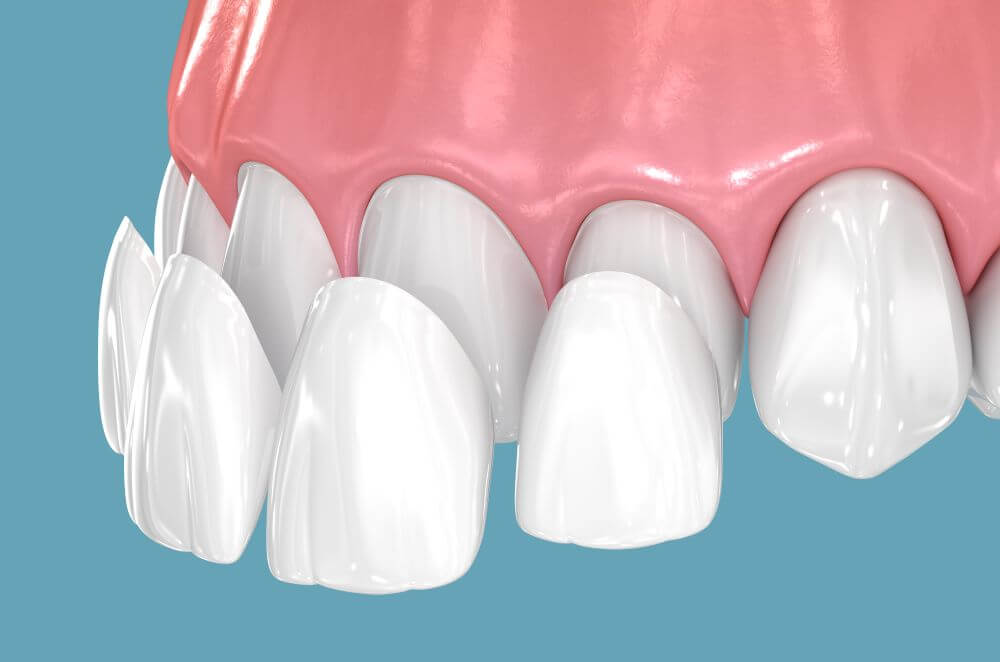
Composite veneers are thin layers of composite resin applied to the front surface of teeth to improve shape, color, and overall appearance. They fall under restorative dentistry, blending cosmetic improvement with functional support.
The dentist applies composite material directly to the tooth, shapes it by hand, and hardens it during the same visit. Unlike porcelain veneers, which are made outside the office, this method allows adjustments in real time. That hands-on process is one reason composite veneers are often chosen by people who need efficient dental work without long gaps between appointments.
Composite Veneers vs Other Types of Dental Veneers
Choosing between veneer types usually comes down to time, cost, and long-term goals. Each option has trade-offs that matter for working adults.
How They Compare to Porcelain Veneers
Porcelain veneers are made from ceramic material and created in a dental laboratory. They often take more than one visit and involve a waiting period while the veneers are fabricated.
Composite veneers use composite resin instead. Because they are placed directly, they usually cost less and require fewer appointments. Porcelain veneers may last longer, but composite veneers provide faster access to an improved smile.
For many professionals, the concern is not about dramatic cosmetic change, but about improving uneven edges, mild discoloration, or small gaps without drawing attention to the dental work itself. In those cases, composite veneers are often chosen as a subtle professional smile upgrade that fits into a normal work routine rather than disrupting it.
Appearance and Longevity Differences
Resin veneers can look very natural, especially when placed by an experienced dentist. They may stain or wear sooner than porcelain veneers, but they are easier to repair.
Small chips or color changes can often be fixed without replacing the entire veneer, which appeals to adults managing both time and budget.
Why Composite Veneers Appeal to Working Adults

Work schedules rarely allow for extended treatment plans. This is especially true for small business leaders and owners who are expected to be present at all times. Composite veneers fit better into packed calendars while still delivering visible change.
This option often appeals because it reduces disruption. Many people complete treatment in one or two dental visits. Appointments tend to be shorter, which limits time away from work. Results are immediate, making composite veneers a common choice for professionals preparing for presentations, events, or career changes.
The Composite Veneer Procedure Step by Step
Knowing what happens during treatment helps reduce stress and sets realistic expectations. The process follows a clear sequence from planning to final polish.
Tooth Preparation and Planning
The dentist begins by examining oral health and discussing goals. Tooth preparation for composite veneers is usually minimal. In many cases, only light surface shaping is needed. This approach helps preserve natural tooth structure.
Discolored teeth, uneven edges, or small gaps are assessed at this stage. Any signs of gum disease or decay must be addressed before veneers are placed.
Application and Shaping
During the procedure, the dentist applies layers of composite resin to the tooth surface. Direct composite veneers are shaped by hand, allowing immediate changes based on appearance and bite alignment.
This step gives patients a chance to see progress as it happens.
Hardening and Final Adjustments
Once the shape looks right, the dentist uses a curing light to harden the material. The surface is then smoothed and polished.
Final bite checks help ensure the veneers feel comfortable during daily use.
Direct vs Indirect Composite Veneers
Not all composite veneers are placed the same way. Dentists may suggest different methods depending on the case.
Direct composite veneers are shaped and placed during the dental visit. Indirect composite veneers are created outside the mouth and bonded later. Indirect options may take more time but can offer added strength in certain cases.
The dentist helps decide which approach matches the patient’s needs and schedule.
Oral Health Considerations Before and After Veneers
Veneers sit on top of natural teeth, so oral health plays a major role in success. Healthy gums and stable teeth support better results.
Gum disease can weaken the foundation around veneers and shorten their lifespan. That is why dentists check gum health before treatment. After placement, daily oral hygiene helps protect both the veneers and the teeth beneath them.
Brushing, flossing, and routine cleanings remain part of long-term care.
Caring for Composite Veneers Long Term
Composite veneers hold up well when treated with care. Daily habits make a clear difference in how long they last.
Common care tips include:
- Brushing with a non-abrasive toothpaste
- Flossing daily to protect the gum line
- Avoiding biting hard objects like ice or pens
These habits help reduce staining and surface wear. Regular dental visits allow small repairs before issues grow.
With proper care, composite resin can maintain a clean, polished look for years.
Are Composite Veneers the Right Choice for You?
Composite veneers work well for many adults, but they are not the best option for everyone. Lifestyle, bite pressure, and cosmetic goals all matter.
People seeking a fast smile makeover with limited downtime often find composite veneers appealing. Those looking for the longest possible lifespan may prefer porcelain veneers instead.
A dentist can explain how each option fits individual needs during a dental visit.
Conclusion
Composite veneers offer working adults a practical way to improve their smile without extended treatment timelines. They balance appearance, flexibility, and cost while fitting into busy schedules.
With proper planning, good oral hygiene, and regular care, composite veneers can support both confidence and daily life. Talking with a dental professional helps determine whether this approach aligns with personal goals and long-term oral health.