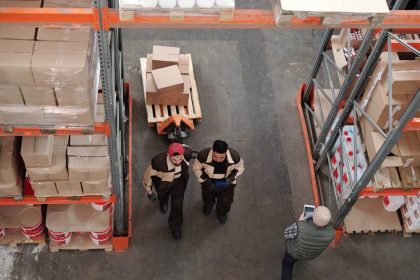

The old national model maximized efficiency by consolidating inventories in a few strategically located hubs, keeping transportation costs as low as possible. But in a period of increased volatility and costs, especially related to distribution by long-haul trucking, that old model is showing signs of strain. Gasoline is soaring in price. At the same time, the availabilities of truckers, both short and long-term, are in decline. Combined with a consumer base that wants ever fresher product delivered ever faster, these pressures are starting to squeeze already thin margins.
The Margin Problem Hiding in Your Logistics Line
Shipping expenses usually amount to 10% to 15% of the overall wholesale cost of agricultural goods (USDA). This is not insignificant. For a company with already low profit margins, this percentage can make the difference between having a profitable season or just breaking even.
Long-distance shipping comes with all the associated higher costs: fuel, driver time, compliance. Additionally, the more states a shipment passes through, the greater the chances that it might not fulfill the necessary criteria. Regional distribution reduces these risks by reducing the length of the trip. Smaller distances translate into lower shipping costs per unit, fewer risks to manage, and less reliance on the limited availability of national carrier services during peak demand.
Building a Network That Absorbs Disruption
One of the most hidden dangers within a centralized distribution model is how fragile it really is. When a national carrier hits a capacity crunch, or a critical corridor goes offline due to weather, the single-lane supply chain businesses feel the full force of the impact. There’s nowhere to turn.
Regional networks spread that risk out over multiple nodes. A disruption that blocks one route has a far smaller impact when the entire regional network isn’t wholly dependent on that one artery. This is supply chain resilience as it plays out on a warehouse floor or a busy country road, it’s not a bullet point on a PowerPoint, but a real-world benefit created by the layout of the lanes.
Which gets us back to regional carriers. It takes the vast experience of a specialist in agricultural transport to manage the challenges of a regional supply chain, preparing for the peaks and troughs of harvest, handling the nuances of shifting regulations, having the assets to deliver large quantities of bulk, and the aptitude to make sure you’re compliant and on time every trip.
Perishability Doesn’t Wait For the Supply Chain to Catch up
Fresh agricultural products do not increase in value while being transported. Every hour spent unnecessarily on the road is lost shelf life. This can be particularly costly when retailers refuse to accept shipments that do not meet their quality standards.
Shorter food miles can help protect the value of the product. Local and regional distribution networks are based on proximity to the grower. This means that a load that might have taken 72 hours to travel a national network could reach its destination in less than 24 hours. For fresh produce, dairy, or other products that depend on the “cold chain”, this can mean the difference of several dollars of product value, not just a freshness gain.
Regional food hubs have developed in response to precisely this type of problem. By aggregating product from several local producers and efficiently delivering it to local and regional buyers, these businesses allow smaller producers to be competitive for retail contracts that they could never fulfill themselves. The hub provides the scale that individual producers lack.
Compliance Gets Simpler When the Route Does
Regulations around sanitary transportation put specific requirements on how food and agricultural products are transported. For instance, products need to be shipped in conditions that will not result in food safety risks and adequate control measures need to be in place during transport. This includes temperature monitoring, securing transportation equipment to ensure product safety, prevention of cross-contamination during transport, and proper cleaning, sanitizing, and inspecting of transport vehicles.
Documentation is a big part of this. Carriers require immense records from drivers including temperature logs, backups documenting equipment washout, and sanitizing between loads. All this paperwork is highly challenging in a multi-pick and multi-drop load, hence it becomes simpler to comply when one driver arrives, loads and goes and the load doesn’t stop moving until reaching its destination.
Sustainability as a Business Advantage, Not a Talking Point
Reducing food miles is important for a company’s environmental impact, but it is also a competitive advantage when customers demand sustainable sourcing. Scope 3 emissions, which include emissions from a company’s value chain, are increasingly important for many grocery and foodservice buyers. Regional distribution is one of the simplest ways to reduce that number. If you are an agribusiness trying to get into retail programs or win institutional business, a low-miles, regionalized supply chain is a real differentiator. This isn’t soft marketing. It’s a requirement for procurement, and the companies that meet it have an advantage over the companies that can’t.
The benefits of regional distribution go beyond this, and it is not just about local food. It is about margin protection, risk reduction, and the kind of agility that allows your business to be responsive when markets shift or the weather doesn’t cooperate. If you are already convinced of the business case for expanding your regional logistics network, you don’t have to take these benefits on faith. Other companies have gone before you, and the advantages they see are real.