
Marketing is not what it used to be many years ago. Now, it’s become more complex as businesses now operate in fast-moving markets where anything can change almost overnight. Because of this, business schools have also made a significant change to how they prepare students for real-world business challenges.
MBA programs and corporate training departments no longer rely on case studies and lectures but on simulation-based learning that allows students to experience more practical education.
These tools make it easy for students and professionals to test strategies and make business decisions in realistic scenarios without real-world risks.
Why Business Schools Are Moving Beyond Traditional Marketing Education
For years, marketing education has been about lectures, textbooks, and case studies. Students are left to learn theories and memorize frameworks. They spend weeks or months analyzing old business examples.
While that approach is still very much relevant, many schools have come to realize how limiting it can sometimes be when it comes to preparing students for the speed and complexity that happens in the modern business world. And this is why more institutions are including marketing simulation platforms into their programs.
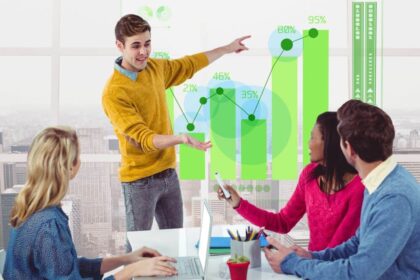
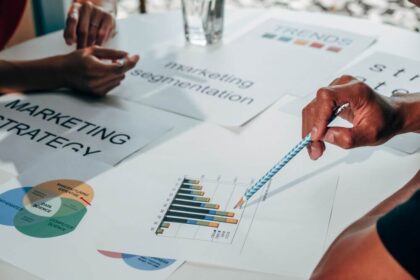
With these tools in place, students get to experience realistic competitive scenarios that require them to make quality decisions about things like branding, positioning, pricing, budgeting, and market strategy.
This way, students are not just discussing strategy in theory. They are experiencing the consequences of their decisions in real time. They get direct feedback on all their actions: whether positive or negative. This kind of hands-on learning experience delivers the kind of understanding students can never get from mere lectures.
But that’s not the only reason for the rapid growth of simulation-based learning: it is also far more engaging. When students are solving realistic business problems, they tend to participate more actively than when they are merely listening to presentations.
Here, learning becomes more dynamic and competitive. Simulations are helping to bridge the gap between classroom learning and real-world business situations – and they are doing that well.
The Real Benefits of Marketing Simulations
Marketing simulations are more than just interactive learning tools. They are designed to help students and professionals develop practical skills they may find difficult to develop through theory alone.
Below are some of the benefits this approach delivers:
- Offers risk-free decision-making, where participants can test strategies with fear of any real financial consequences.
- Participants enjoy real-world strategic thinking — very much like real business leaders.
- Offers better teamwork and collaboration, allowing students to develop excellent communication and leadership.
- Delivers faster understanding of market dynamics.
- Provides performance metrics that allow students to track progress and improve on decision making.
- Teaches participants how to make strategic decisions under pressure
How Companies Use Marketing Simulations for Corporate Training
Modern marketing teams today need more than theoretical knowledge, and that’s one big reason businesses are embracing simulation-based learning. Companies need employees that can rise and deliver even under intense pressure, thinking strategically and making the best decisions.
Here are some ways many organizations are using simulation today:
- Executive education programs
Companies use simulations to train senior managers on strategic decision-making and competitive market planning.
- Leadership development workshops
It allows organizations to help future leaders acquire the business skills they need to face real business challenges — all in realistic scenarios.
- Training marketing teams
It helps employees learn all they need to know about branding, pricing, competitor actions, and customer targeting. They can learn how all of these affect overall business performance.
- Improving cross-department collaboration
Simulations often involve teams working together. That way, it’s helping departments align around common business goals.
- Testing strategic thinking
Companies now use it to observe how employees respond to changing market conditions and unexpected challenges.
- Encouraging innovation and experimentation
Because it encourages teams to test new ideas without worrying too much about any real risk, organizations are using it to build confidence in employees.
- Preparing employees for competitive markets
Organizations use it to expose teams to fast-moving market conditions similar to real-world competition.
Final Note
Business education has moved beyond just theory. With marketing simulations, things have become more practical, interactive, and strategy-focused. It’s giving both students and professionals hands-on experience in realistic competitive environments.
Now that companies and business schools are daily looking for a better way to develop future marketing leaders, simulation-based learning has presented itself as the ultimate solution they have been looking for.